


VERIFIED PARTNERS
Many of our partners are verified by the manufacturers
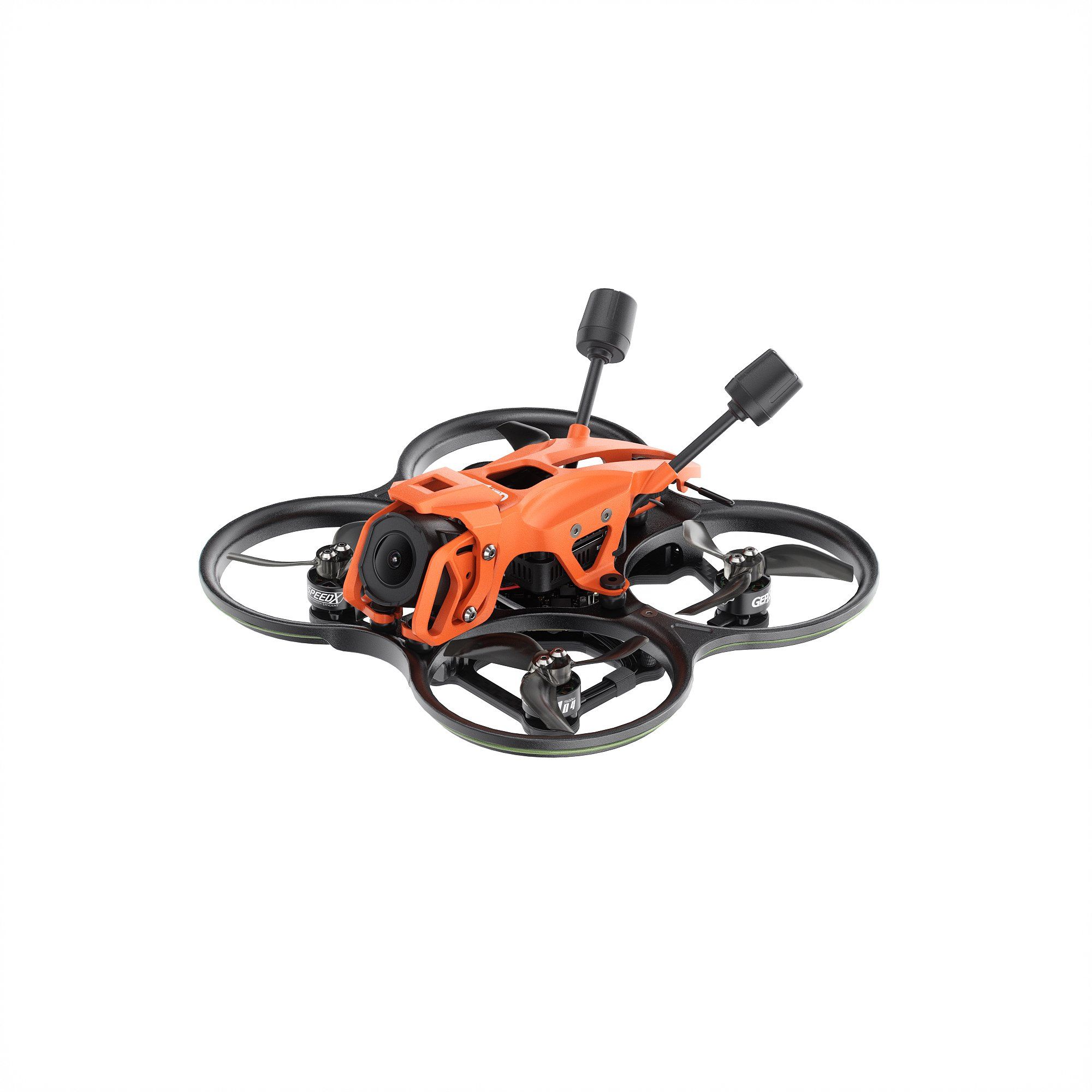
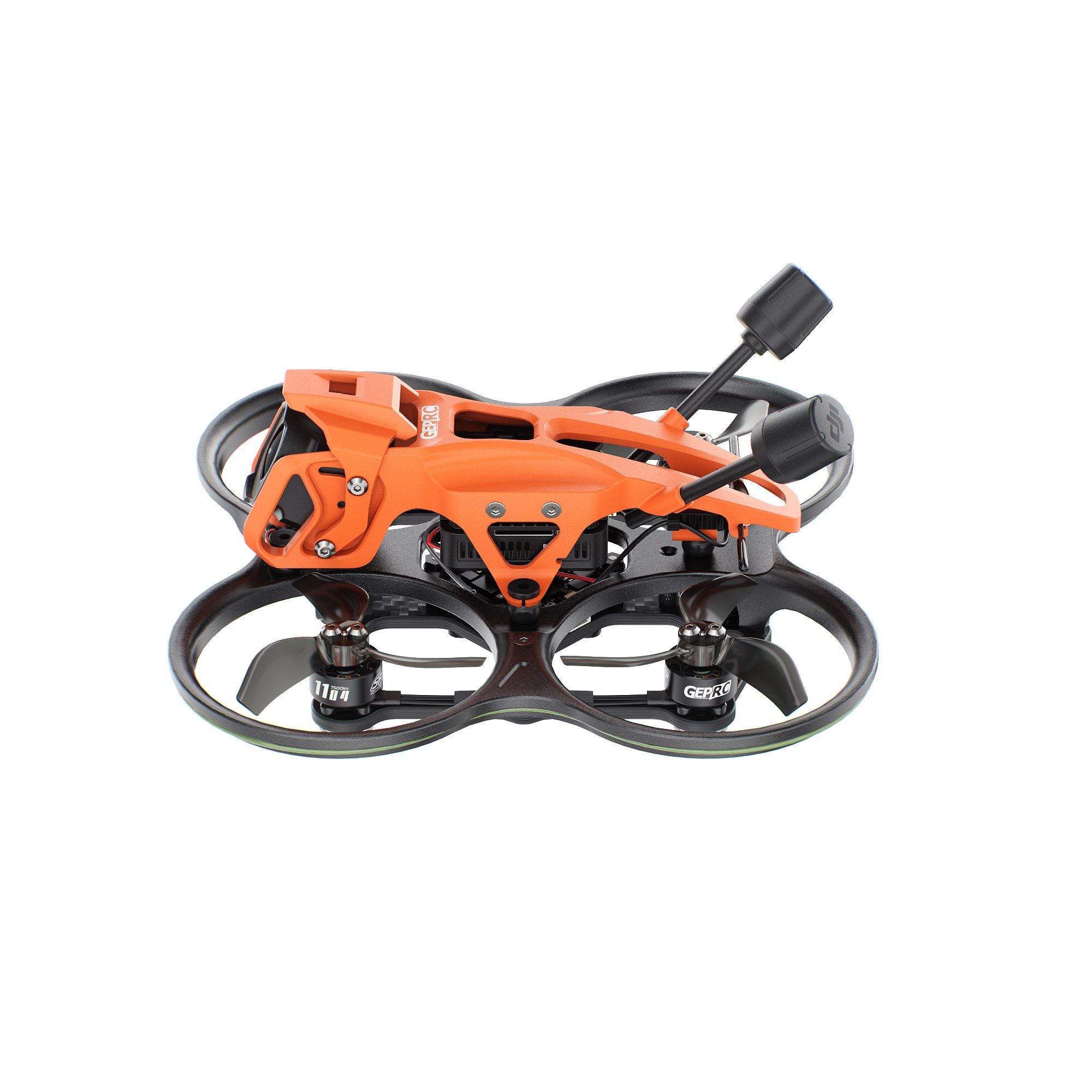
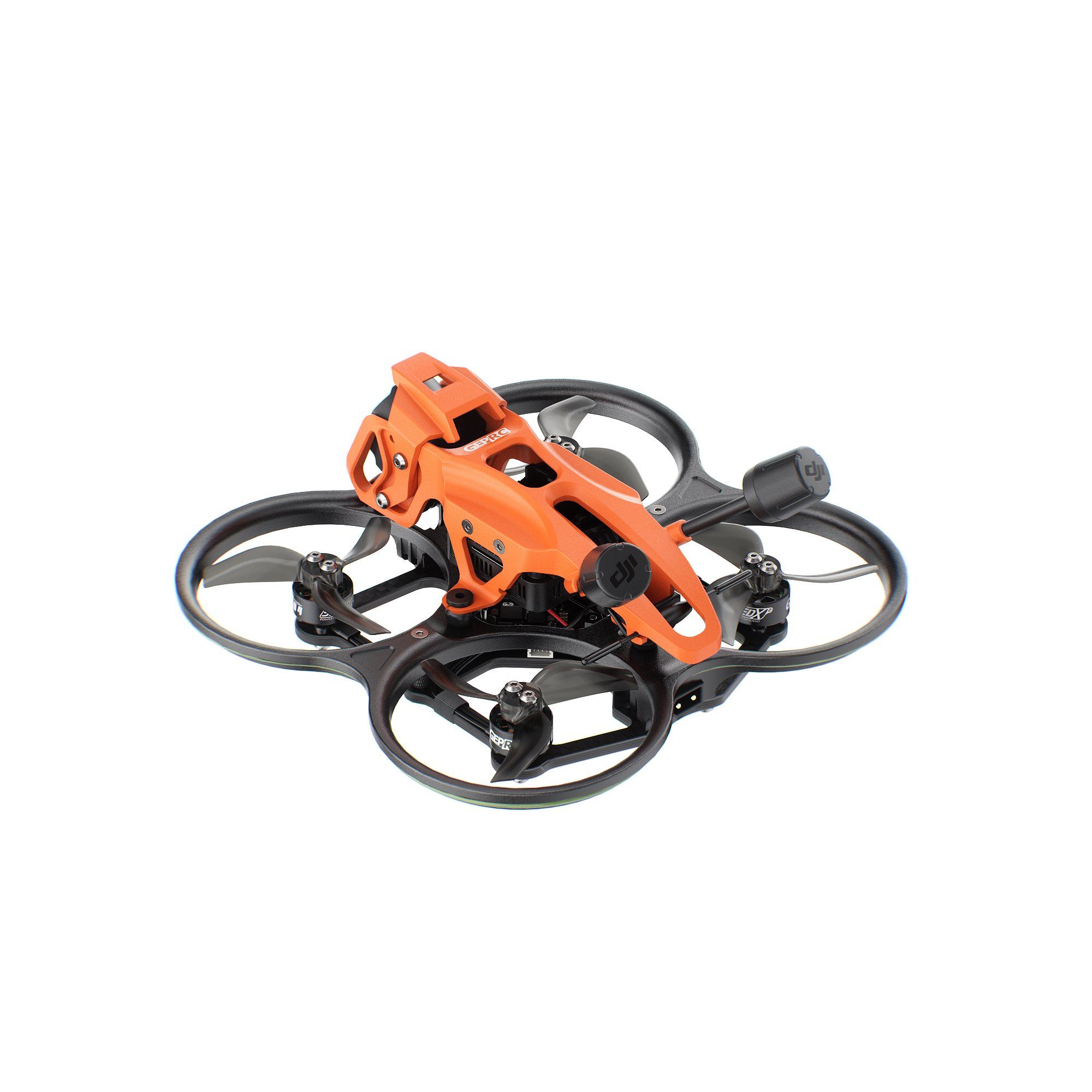
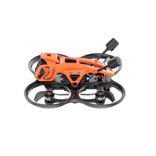
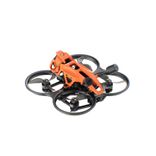
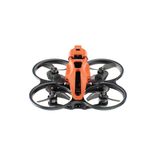
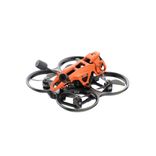

| Size | 2.2" |
|---|---|
| Style | Cinewhoop |
| VTX | DJI O4 Air Unit Pro |
| Weight | 126g |

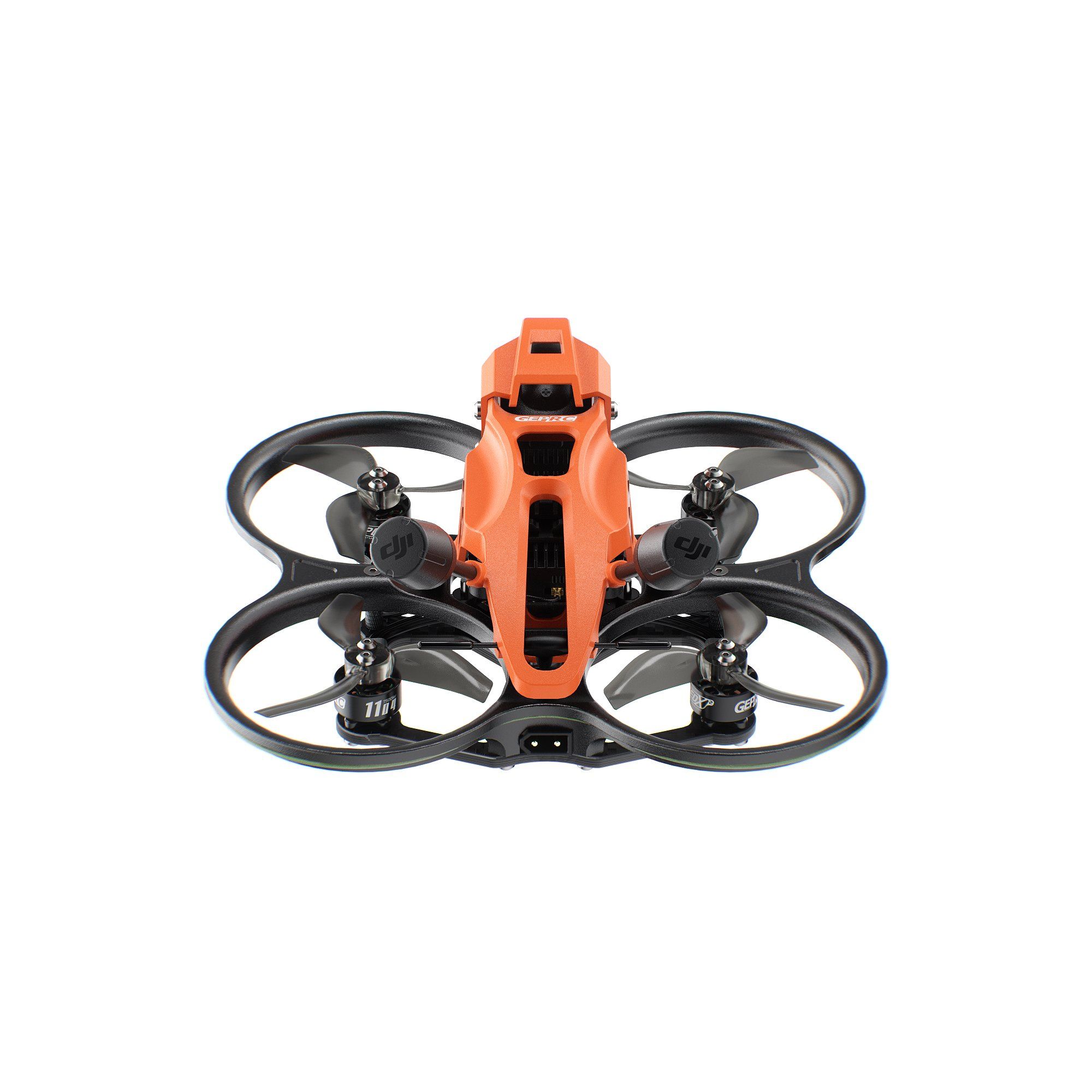
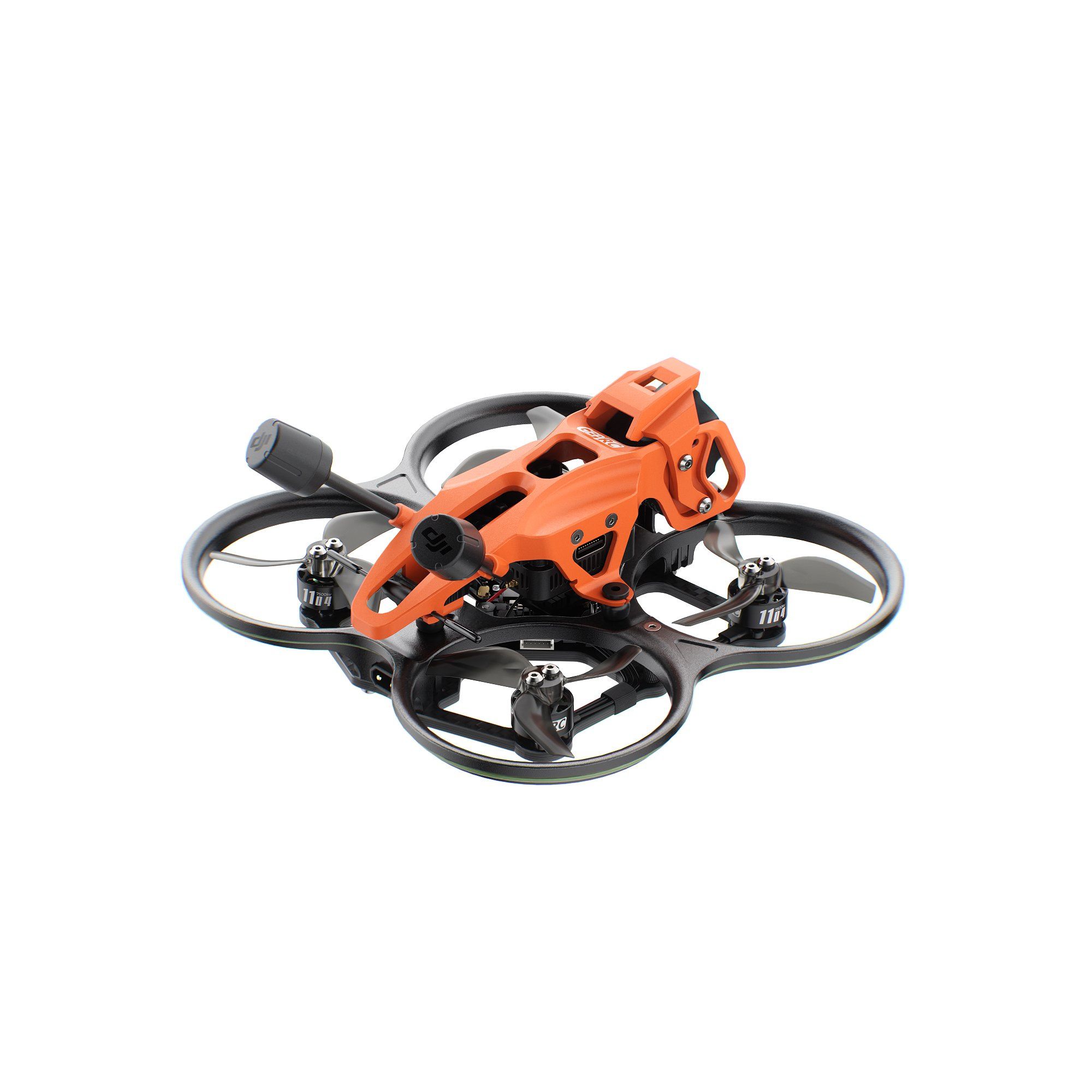
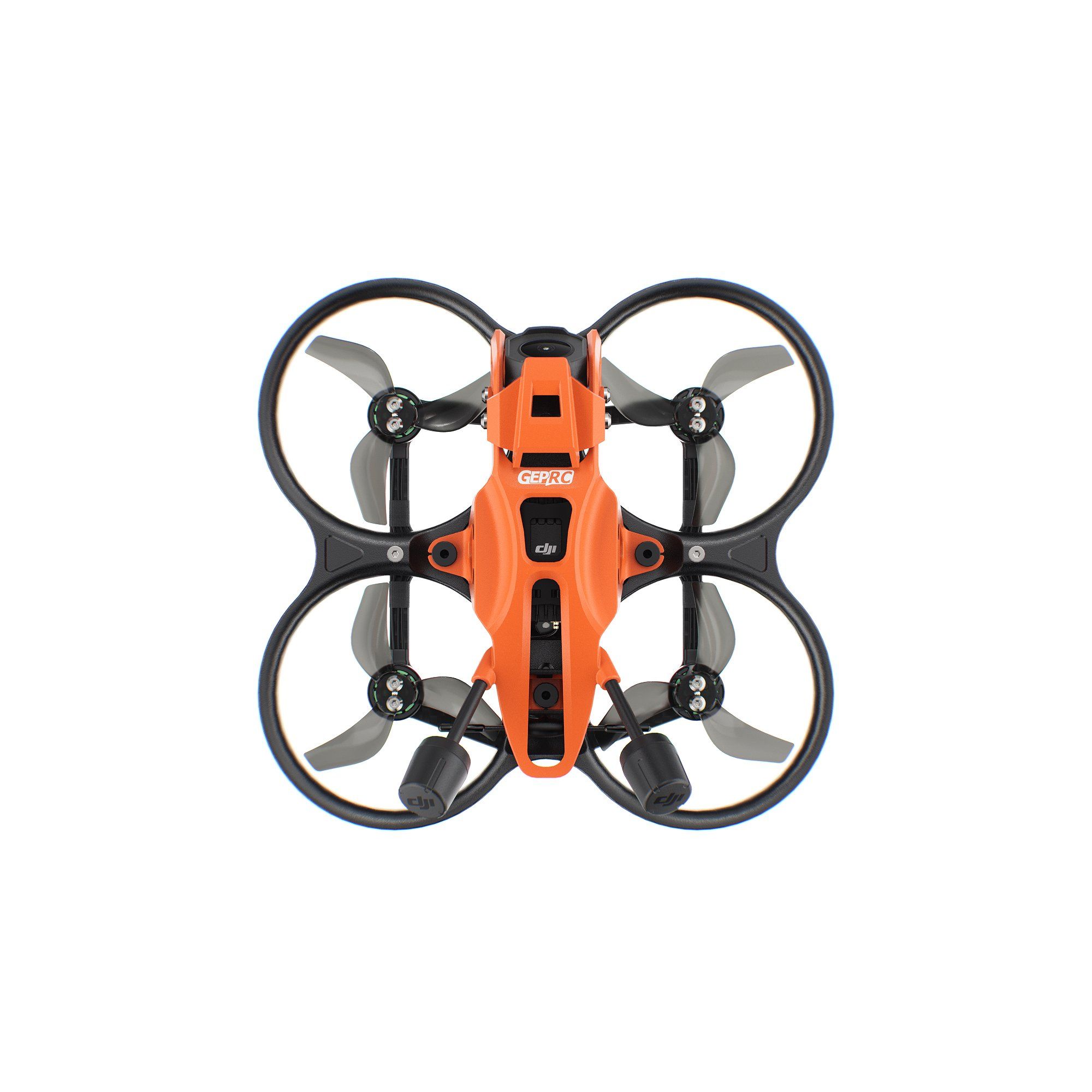
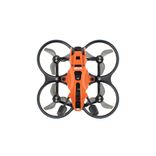
The GEPRC DarkStar22 O4 Pro is GEPRC's latest push into the compact digital cinewhoop category, slotting in as a sub-250g (actually around 127g dry with ELRS) option that's clearly aimed at pilots wanting smooth indoor/outdoor cinematic footage without going as big as a 3" like the Cinelog30.
What stands out right away is the integration of the DJI O4 Pro Air Unit. You get that crisp, low-latency HD video (up to 4K/120fps recording) with excellent range and penetration—far better than analog or even older digital systems for cinematic work. The five-point damping setup on the camera is a smart touch; it does a good job reducing jello and vibrations compared to many micro cinewhoops I've tested. Footage comes out remarkably clean during slow-to-medium paced shots, especially indoors or in tight spaces where prop wash and turbulence are constant enemies.
The build uses the TAKER F405 AIO (20A ESC) with built-in ELRS 2.4GHz receiver, which keeps wiring minimal and setup straightforward—no extra RX soldering needed if you're on ExpressLRS. Motors are the SPEEDX2 1104 7500KV on 3S, paired with GEPRC/Gemfan 2219-3 props. It's punchy enough for controlled freestyle moves or quick repositioning, but it's tuned more for efficiency than all-out aggression. With a 3S 720mAh LiHV (GEPRC's recommendation), you can realistically get 6–7 minutes of smooth cruising or mixed flying—decent for the size, though aggressive piloting will drop that noticeably.
Pros that matter in practice:
Excellent vibration isolation for the O4 Pro camera → smoother footage than many competitors in quick turns or bumpy environments.
Crash-resistant ducted design with thick guards and simple 4-screw canopy access → repairs are quick and cheap.
Reserved spot for a tiny GPS module → big plus if you ever take it outdoors (add Rescue Mode in Betaflight for peace of mind).
Lightweight and agile for a ducted whoop → feels nimble indoors without being twitchy.
Comes well-accessorized (extra props, straps, tools, damping balls, etc.) — GEPRC's packaging is usually spot-on.
Where it falls short (being honest):
It's not the quietest cinewhoop out there—those 1104 motors on 3S can get buzzy, especially compared to larger props on 4S setups like the Cinelog30. Indoor flying with people around might annoy others.
Flight time is solid but not class-leading if you're comparing to bigger cinewhoops; expect shorter bursts if pushing it hard.
No ND filters included (common gripe with O4 setups) — grab some low-profile ones if shooting in bright conditions to avoid overexposure.
For pure beginners, the learning curve on tuning ducts + digital might feel steeper than a tiny whoop, but it's forgiving thanks to the guards.
Who is it for?
If you're after a compact, sub-250g cinewhoop for indoor real estate videos, tight architectural shots, or light outdoor cinematic work, the DarkStar22 O4 Pro is a strong contender in 2026—especially if you value GEPRC's damping and build quality. It competes directly with things like the BetaFPV Pavo20 Pro (which might edge it on size/weight for ultra-tight spaces), but the DarkStar22 feels a bit more robust and stable in footage.
It's not replacing a 3" cinewhoop like the Cinelog30 V3 for pro-level work (that one's still my go-to for smoother, longer flights and better efficiency), but for pilots who want something smaller, more portable, and still deliver pro-looking O4 footage without constant crashes destroying parts—it's a smart buy.
Bottom line: Great little package if cinematic indoors/outdoors in tight spots is your main goal. Tune it, add GPS if venturing outside, slap on NDs, and you'll get clean, usable footage without much hassle. Worth considering over pricier or bulkier alternatives if portability matters.
(And yeah—pair it with good goggles like the DJI Goggles 3 or Integra, and fly safe. Always do a hover test first!)
If you're eyeing one, check current prices/deals—prices fluctuate, but it's typically around the $399–$420 mark depending on PNP vs ELRS version. Let me know if you want setup tips or Betaflight tweaks for it.
Frame: GEP-DS22 (2.5 mm carbon)
Wheelbase: 100 mm
Flight Controller: TAKER F405 20A ELRS2.4 2-4S AIO
Motors: SPEEDX2 1104 7500KV
Propellers: GEPRC x GEMFAN GP2219-3
VTX & Camera: DJI O4 Air Unit Pro (HD video)
Weight: ~126.8 g (ELRS version)
Battery: Recommended 3S 720 mAh
Flight Time: ~6 min 45 s (cruise estimate)
DarkStar22 O4 Pro Cinewhoop Quadcopter
Prop Guard & Camera Canopy
Battery Pad & Anti-Slip Pad
2 Pairs of 2219 Propellers
Battery Strap & Damping Tools
Spare Screws & T-Wrench
| Signal | Digital |
|---|---|
| RX | ELRS, PNP, DJI O4 Air Unit Pro |
| Size | 2.2" |
| Style | Cinewhoop |
| VTX | DJI O4 Air Unit Pro |
| Weight | 126g |